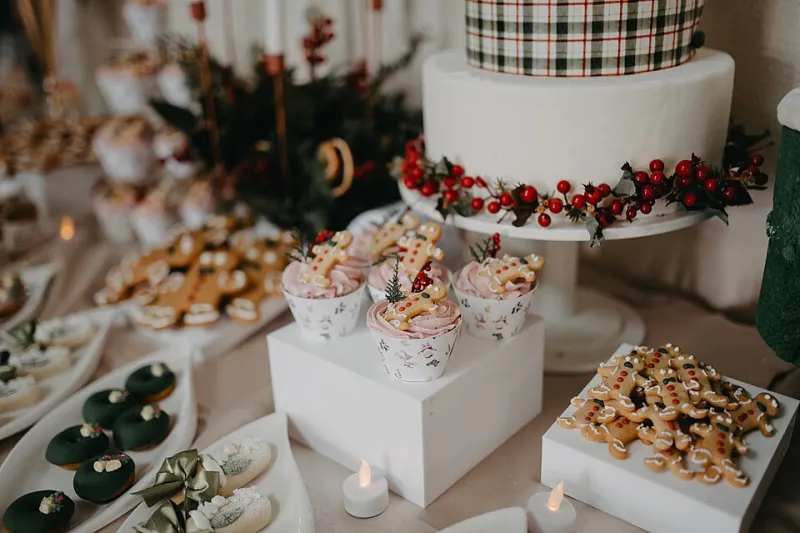
Boxed, Taped, and Trusted: A Holiday Guide to Shipping Sweets That Arrive Looking Gift-Worthy
As of early November 2026, the holiday shipping season is already tapping its foot by the door. Every year around this time, someone walks into the shoppe with a hopeful look and a question we hear a lot: can I mail this? The short answer is yes, usually. The longer answer is the one worth reading before you tape up a box of buttercream and hope for the best.
We have packed our share of care packages, tested a few regrettable ideas, and learned that shipping sweets is less about luck and more about matching the treat to the trip. Heat, cold, jostling, and a weekend spent in a sorting facility all have opinions about your dessert. The goal is not just survival. It is arrival: a box that opens with everything still looking like something you would be proud to hand over.
The two enemies are heat and handling
Temperature is the first thing to think about, and chocolate is usually the first casualty. A chocolate-covered caramel that leaves Pennsylvania looking glossy can reach Arizona looking like a cow patty. That is not a quality problem. It is a physics problem. Anything with a low melting point, including chocolate bark, chocolate truffles, and chocolate-dipped anything, needs a plan if it is traveling far or sitting in a truck.
The second enemy is handling. Packages get stacked, tipped, and occasionally treated like a beanbag chair. That matters most for delicate structures: piped meringues, thin cookies, decorated sugar cookies with royal icing details, and anything with a hollow center. If a treat cannot survive a gentle shake in its container, it probably cannot survive a trip through three sorting hubs.
The survivors: what we would box without flinching
Some sweets are born travelers. Firm caramels wrapped individually are tough and forgiving. Toffee, especially the kind with nuts pressed into the top, holds up well if it is packed in a single layer with parchment between pieces. Hard candies, lollipops, and peppermint sticks are practically indestructible. Shortbread, biscotti, and gingerbread cookies are sturdy enough for a cross-country trip, and they actually improve after a day or two in a sealed container.
Brownies and blondies are reliable if you cut them into thick squares, wrap each one, and pack them snugly. Pound cake and other dense loaf cakes travel better than layer cakes, especially if you ship them unfrosted or with a simple glaze. Cake truffles can make it if they are chilled, wrapped, and packed with plenty of cushion, but they are a gamble in warm weather. Marshmallows are light, bouncy, and nearly impossible to break, which makes them a great filler and a fun surprise.
The questionables: treats that need a plan
Macarons are the classic borderline case. They are fragile, sensitive to humidity, and expensive enough that a cracked shipment feels personal. If you send them, pack them in a rigid container with a snug fit, add cushioning above and below, and ship them early in the week so they do not sit in a warehouse over the weekend. Even then, expect a few casualties.
Fudge is another one that depends on the weather. In cool months it travels fine. In warm months, it can slump. If you are shipping fudge to a warm climate, choose express shipping and include a cold pack. The same goes for chocolate-covered pretzels, which are sturdier than truffles but still vulnerable to heat.
Decorated sugar cookies are a mixed bag. The cookie itself is tough, but the icing can crack or smudge if the cookies rub against each other. Pack them in a single layer, face up, with parchment between layers and no room to slide around. Avoid shipping cookies with delicate royal icing flowers or very thin flooded designs unless you are willing to accept a little character.
The never-ship list
Some things should stay home. Buttercream cakes, cupcakes with swirled frosting, cream pies, custard-filled anything, and fresh fruit tarts are all off the table for mail order. They are simply too perishable and too fragile. Cheesecake is possible with overnight shipping and a lot of cold packs, but it is expensive and risky. Caramel apples are another no. The caramel slides, the apple bruises, and the stick pokes through the packaging. If you want to send something festive and apple-forward, send a jar of caramel sauce and a box of shortbread instead.
Packing a box that can take a bump
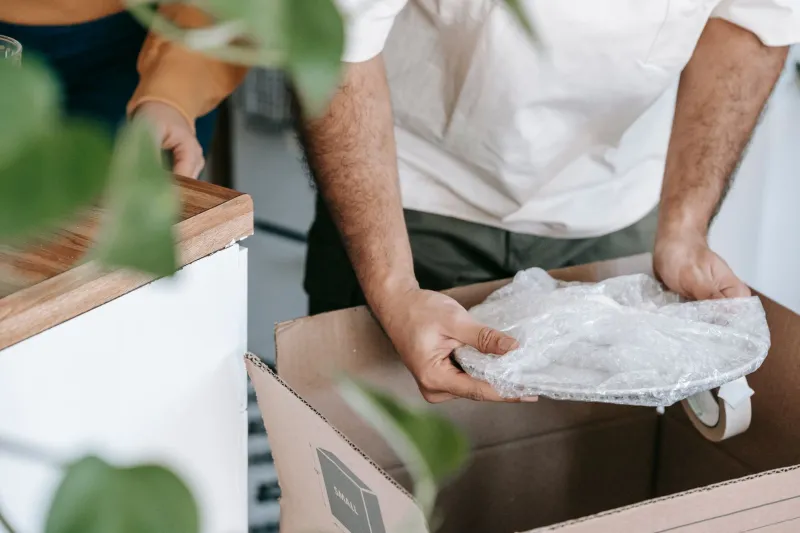
The box itself matters as much as the contents. Start with a sturdy corrugated box, not a flimsy one. Line the bottom with a layer of bubble wrap or foam. Put each treat in its own small container or bag, then pack those containers tightly so nothing shifts. Empty space is the enemy. Fill every gap with crumpled paper, air pillows, or foam peanuts. If you can shake the box and hear movement, add more filler.
For temperature-sensitive items, use an insulated liner and a cold pack. In cold weather, remember that gel packs can freeze solid and damage delicate items, so use a barrier of paper or bubble wrap between the cold pack and the food. Double-boxing is worth the extra effort: put the packed inner box inside a slightly larger outer box with a cushioning layer between them. That outer box absorbs the dings so the inner box does not have to.
Ship early in the week. A package that goes out on Monday or Tuesday has a better chance of arriving before the weekend than one dropped off on Friday. Always include a note inside with the sender's address and a phone number, just in case.
The 2026 calendar: deadlines worth circling
Carriers publish their official holiday cutoffs in early November, so check the USPS, UPS, and FedEx websites before you commit. As a general rule, for Thanksgiving 2026, plan to ship by November 18 for ground service and November 20 for priority service. For Christmas, the typical windows look like this: ground shipping around December 15 to 17, three-day service around December 20 to 21, two-day service around December 21 to 22, and overnight service around December 23. Those dates are not guarantees, and they vary by carrier and destination. The lower 48 is usually straightforward. Alaska and Hawaii need more lead time.
If you are shipping to a warm climate, add two or three days of buffer and choose a faster service. If you are shipping to a cold climate, remember that chocolate can bloom or crack in freezing temperatures, so avoid leaving packages on porches for long. A text to the recipient with the tracking number is a small kindness.
A short note on insurance and expectations
Even a well-packed box can have a bad day. If you are sending something expensive or irreplaceable, buy insurance and keep the receipt. Take a photo of the packed box before you seal it. And set expectations with the recipient: a few cracked cookies are not a failure. They are just cookies that had an adventure. The best mail-order desserts are the ones that arrive with a story and a little bit of mess, ready to be eaten over the kitchen counter while everyone catches up.
At Fiona's Sweet Shoppe, we like to say that a care package is just a hug with a tracking number. Pack it well, ship it early, and choose treats that are built for the journey. The rest is just sweetness.